
Sector: Multi-Site

  • Regional multi-site rollout across the UK

    Regional multi-site rollout across the UK

    Multi-Site

    Confidential FTSE 100 Media & Publishing Group | Newcastle, Plymouth, Bristol, Cardiff

    Newcastle, Plymouth, Bristol, Cardiff | UK | Multi-Site | Workplace Technology, Workplace Automation, Connectivity & Cyber

    CHALLENGE

    The operating problem

    A FTSE 100 media and publishing group ran four regional offices: Newcastle, Plymouth, Bristol and Cardiff. Each had been fitted out at a different time, to a different specification.

    The result was four different workplaces. Meeting rooms behaved differently in every city, legacy systems varied, and there was no shared standard for AV, signage or connectivity.

    That carries a real operating cost. Staff moving between sites had to relearn the room. Support teams had to hold four sets of knowledge. Every new requirement turned into a bespoke project.

    • Different building layouts and structural constraints at each site
    • Inconsistent legacy systems inherited from separate fit-outs
    • No standardisation across meeting rooms or collaboration space
    • No unified approach to AV, signage and connectivity
    • A need to deploy quickly, with minimal disruption to working teams

    The brief was to design once, deploy at scale and operate consistently, without dropping quality at any single site.

    APPROACH

    How Altus delivered

    We built one workplace specification and deployed it four times. Each building was surveyed and the fit adapted to it, but the model itself did not change from city to city.

    • Smart meeting rooms with one-touch join, wireless presentation and hybrid capability, set up identically in every location
    • Digital signage under centralised content control, carrying internal communications, live data and brand
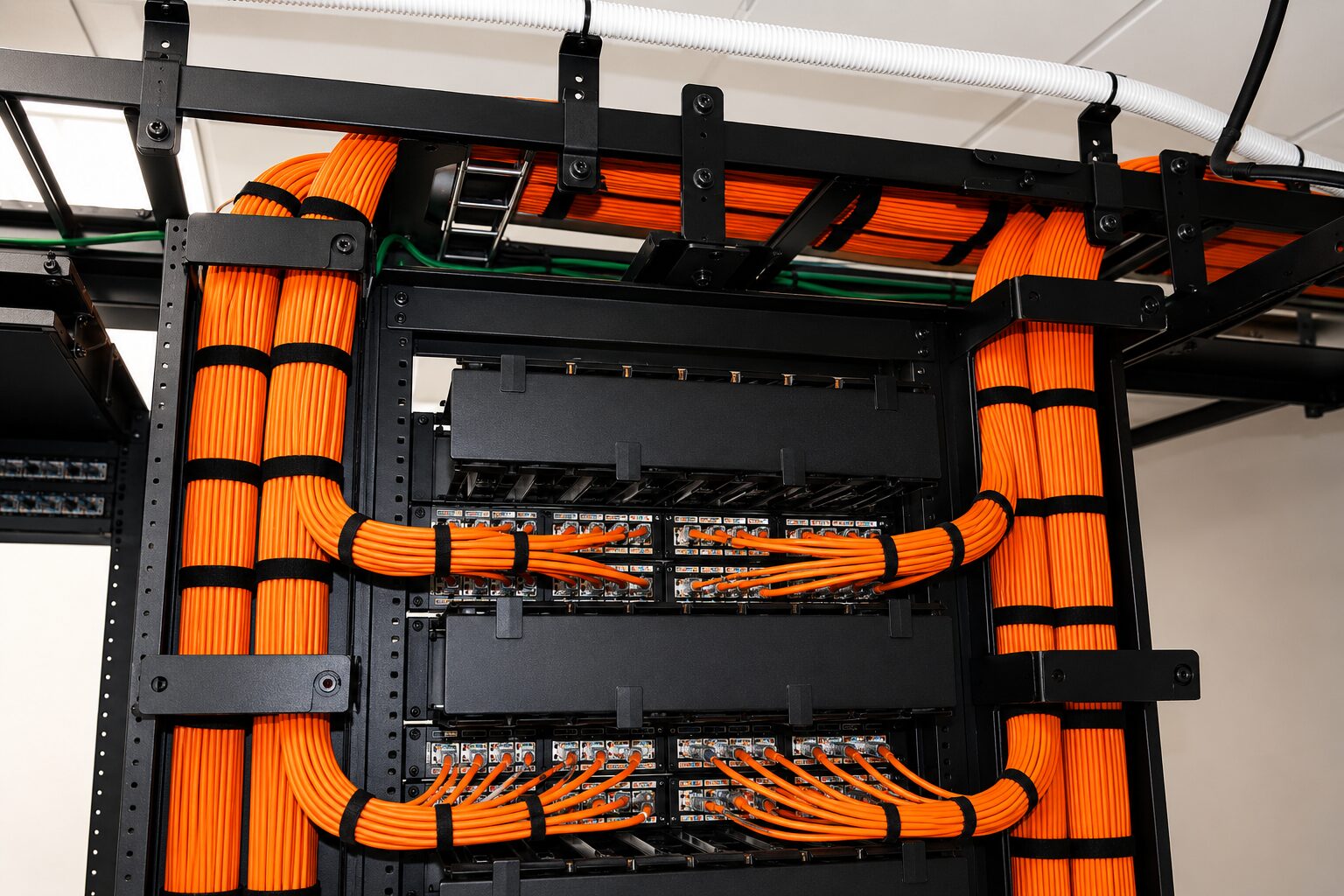
    • Structured cabling and a network backbone sized for AV over IP, cleanly installed and labelled for long-term scalability
    • Collaboration and breakout zones, including booths and pods for focused work
    • Media-ready environments at selected sites, with video walls and presentation and broadcast capability
    • Reception and front of house signage, giving a consistent arrival experience across the estate

    Every site received the same technology stack, the same user journey, the same visual standard and the same performance expectations.

    OUTCOME

    What changed

    Four regional offices now operate as one workplace.

    • An aligned experience across all four cities, with no learning curve for staff moving between them
    • Faster meeting starts and less time lost to setup
    • Higher utilisation of meeting and collaboration space
    • Simpler support and maintenance, because there is one specification to hold rather than four
    • A platform that extends to further sites without redesign

    The value here was in the method as much as the hardware. Standardising the model before deploying it is what made four separate rollouts behave like a single programme.

    TECHNOLOGY PARTNERS

    Infrastructure stack

    Crestron, Logitech, Samsung, Cisco

    THE NEXT STEP

    Book a Critical Systems Review of your business.

    We will look at where your infrastructure stack stands today, identify the gaps, and tell you straight what needs to change.
  • Smart workplace technology integration across multi-site estate

    Smart workplace technology integration across multi-site estate

    Multi-Site

    Multi-site commercial client (anonymised)

    UK | Multi-Site | Workplace Technology, Workplace Automation, Security & Access

    CHALLENGE

    The operating problem

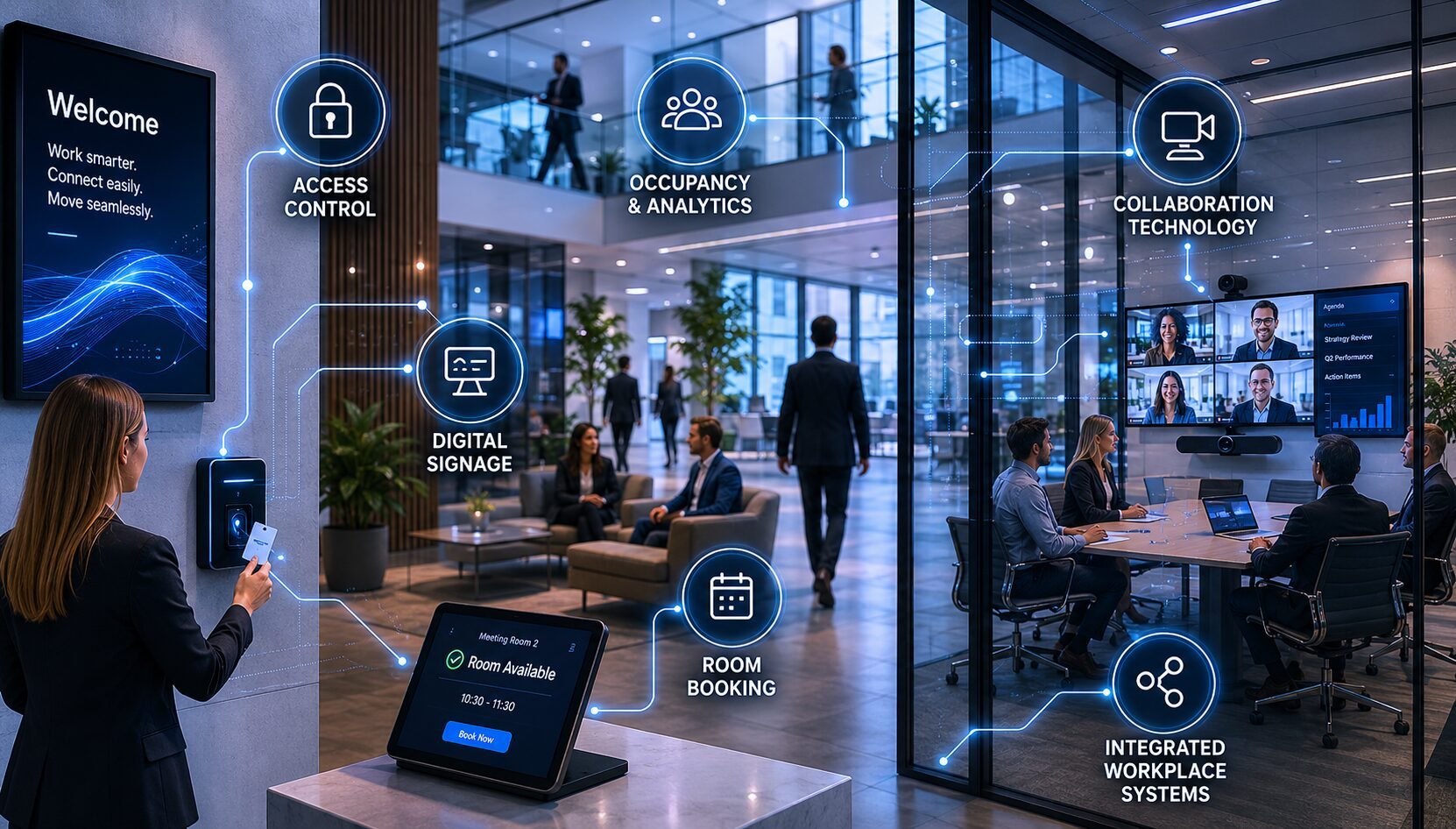
    Altus was appointed to design and deliver an integrated workplace technology environment combining collaboration systems, digital signage, access control, occupancy visibility, room booking and workplace connectivity into a unified operational platform. The client required a modern workplace infrastructure capable of improving user experience, increasing operational visibility, simplifying management and supporting hybrid working across multiple commercial environments.

    The workplace environment relied on disconnected technology platforms operating independently across meeting spaces, collaboration areas, visitor management and workplace infrastructure. This created operational inefficiencies, inconsistent user experiences, fragmented reporting and increased management complexity across the estate.

    Workplace experience

    • Inconsistent user experience across collaboration spaces
    • Limited visibility of room and workspace utilisation
    • Complex meeting room and visitor workflows

    Technology fragmentation

    • Separate platforms for AV, signage, access and booking systems
    • Limited interoperability between workplace technologies
    • Increased support overhead and operational complexity

    Operational visibility

    • Lack of centralised workplace data and management
    • Limited occupancy and utilisation insight
    • Requirement for scalable workplace infrastructure

    APPROACH

    How Altus delivered

    Altus designed and deployed a fully integrated workplace technology ecosystem connecting critical operational and collaboration systems across the client environment.

    Collaboration and workplace technology

    • Integrated hybrid meeting and collaboration systems
    • Workplace AV and presentation technology integration
    • Standardised user experience across collaboration spaces

    Workplace systems integration

    • Digital signage and workplace communications integration
    • Access control and visitor workflow connectivity
    • Occupancy monitoring and room booking platform integration

    Infrastructure and management

    • Centralised workplace technology management
    • Secure network and infrastructure integration
    • Scalable deployment architecture across multiple locations

    OUTCOME

    What changed

    The completed project delivered a connected workplace ecosystem providing improved operational visibility, simplified user experience and integrated management across the client's commercial estate.

    Operational outcomes

    • Simplified workplace technology management
    • Improved room utilisation and workplace visibility
    • Reduced operational complexity across systems

    Workplace outcomes

    • Enhanced employee and visitor experience
    • Improved hybrid collaboration and meeting workflows
    • Faster, more intuitive room booking and workspace interaction

    Strategic outcomes

    • Integrated workplace systems operating from a unified infrastructure layer
    • Improved scalability for future workplace technology expansion
    • Modern workplace environment aligned to hybrid working and operational efficiency

    TECHNOLOGY PARTNERS

    Infrastructure stack

    • Integrated hybrid meeting and collaboration platforms
    • Digital signage and workplace communications
    • Access control and visitor management
    • Occupancy monitoring and room booking
    • Workplace AV and presentation technology
    • Centralised workplace technology management platform

    THE NEXT STEP

    Book a Critical Systems Review of your business.

    We will look at where your infrastructure stack stands today, identify the gaps, and tell you straight what needs to change.
  • AI-enabled workflow transformation across commercial operations

    AI-enabled workflow transformation across commercial operations

    Multi-Site

    Multi-site commercial client (anonymised)

    UK | Multi-Site | Workplace Automation, Managed Infrastructure

    CHALLENGE

    The operating problem

    Altus was appointed to review, redesign and optimise operational workflows across a multi-site organisation seeking to improve execution speed, reduce administrative overhead and modernise the way operational teams interacted with systems, information and internal processes. The client required a structured approach to AI enablement focused not on isolated automation tools, but on improving the operational workflows that underpin day-to-day business performance.

    The organisation operated with multiple disconnected systems, duplicated manual processes, inconsistent workflows and operational bottlenecks that had evolved over time as the business scaled. While individual AI tools had already been trialled internally, adoption remained fragmented and failed to deliver measurable operational improvement because the underlying operating model and workflows had not been redesigned.

    The client required a practical transformation programme focused on improving operational execution, visibility and scalability before layering AI capability into the environment.

    Workflow inefficiency

    • High levels of repetitive administrative activity
    • Manual information transfer between systems and teams
    • Inconsistent operational processes across departments

    Technology fragmentation

    • Multiple disconnected SaaS platforms and workflows
    • Limited operational visibility across teams
    • Increasing management overhead as the business scaled

    AI adoption challenges

    • Existing AI initiatives delivering limited measurable value
    • Lack of workflow standardisation prior to automation
    • Requirement for governed and scalable AI implementation

    APPROACH

    How Altus delivered

    Altus completed a structured workflow transformation programme focused on redesigning operational processes before introducing AI-enabled capability into the environment.

    Workflow transformation

    • End-to-end operational workflow review and redesign
    • Identification of duplicated effort and process bottlenecks
    • Standardisation of operational processes across teams

    AI enablement

    • Introduction of AI-assisted workflow automation across selected operational functions
    • AI-supported content generation, information handling and operational task acceleration
    • Integration of AI capability into structured operational processes rather than isolated tools

    Operational infrastructure

    • Consolidation of fragmented systems and workflows
    • Improved operational visibility and reporting capability
    • Governance-focused implementation aligned to operational accountability

    OUTCOME

    What changed

    The completed programme delivered a more scalable, operationally efficient business environment capable of supporting long-term growth and future AI expansion.

    Operational outcomes

    • Reduced administrative workload across operational teams
    • Faster execution of repeatable business processes
    • Improved consistency across operational workflows

    Technology outcomes

    • Reduced workflow fragmentation between systems
    • Improved visibility across operational activity
    • More structured and scalable AI adoption

    Strategic outcomes

    • AI integrated into operational workflows rather than layered onto broken processes
    • Improved organisational scalability and execution capability
    • Foundation established for long-term AI-enabled operating model transformation

    TECHNOLOGY PARTNERS

    Infrastructure stack

    • AI-assisted workflow automation platforms
    • Consolidated operational SaaS environment
    • Operational visibility and reporting layer
    • Governance and accountability framework

    THE NEXT STEP

    Book a Critical Systems Review of your business.

    We will look at where your infrastructure stack stands today, identify the gaps, and tell you straight what needs to change.
  • Executive hybrid meeting room modernisation across multi-site estate

    Executive hybrid meeting room modernisation across multi-site estate

    Multi-Site

    Multi-site corporate client (anonymised)

    UK | Multi-Site | Workplace Technology, Workplace Automation, Managed Infrastructure

    CHALLENGE

    The operating problem

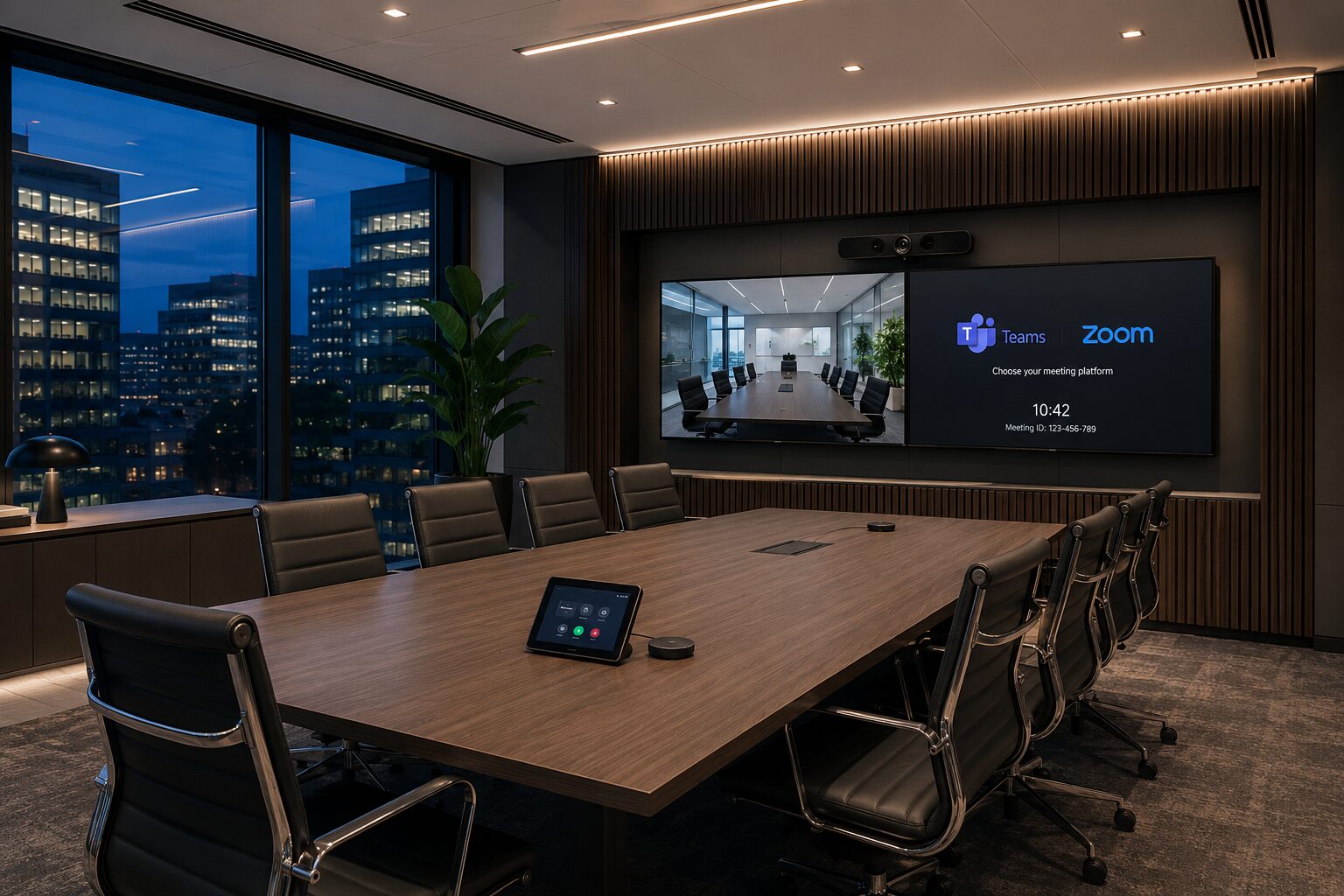
    Altus was appointed to modernise and standardise executive meeting environments across a multi-site corporate estate to support hybrid collaboration, improve meeting consistency and create a more effective experience for both in-room and remote participants. The client required a scalable workplace collaboration strategy capable of supporting modern hybrid working while simplifying support, reducing technology inconsistency and improving executive meeting quality across the organisation.

    The organisation operated multiple meeting environments using inconsistent technology platforms, ageing AV equipment and fragmented user experiences across different offices and collaboration spaces. This created operational inefficiencies, poor meeting experiences and increased support overhead for internal teams.

    Hybrid collaboration

    • Inconsistent meeting experiences across sites
    • Poor audio and video quality during hybrid meetings
    • Limited support for remote participants and collaboration

    Operational complexity

    • Multiple technology standards across meeting rooms
    • Increased support and troubleshooting overhead
    • Difficult user experience for employees and visitors

    Executive meeting environments

    • Outdated boardroom technology infrastructure
    • Lack of standardisation across executive spaces
    • Requirement for premium workplace experience

    APPROACH

    How Altus delivered

    Altus designed and delivered a standardised hybrid meeting room and executive collaboration solution across the client's workplace estate.

    Collaboration technology

    • Deployment of integrated Microsoft Teams and Zoom meeting environments
    • High-performance audio, camera and presentation systems
    • Wireless collaboration and content sharing capability

    Boardroom modernisation

    • Executive boardroom AV redesign and technology upgrades
    • Large-format presentation environments and room control systems
    • Standardised meeting room user experience across all sites

    Infrastructure and support

    • Centralised room configuration and deployment standards
    • Structured cabling and network integration
    • Remote monitoring, management and support capability

    OUTCOME

    What changed

    The completed programme delivered a modern, scalable hybrid collaboration environment supporting consistent executive meeting experiences across the organisation.

    Operational outcomes

    • 60+ hybrid meeting environments modernised
    • Standardised collaboration experience across multiple locations
    • Simplified support and reduced operational complexity

    Workplace outcomes

    • Improved hybrid meeting quality for remote and in-room participants
    • Enhanced executive collaboration and presentation capability
    • Faster and more intuitive meeting room usage

    Strategic outcomes

    • Reduced travel requirements through improved hybrid collaboration
    • Future-ready meeting infrastructure aligned to modern workplace requirements
    • Consistent workplace technology experience across the estate

    TECHNOLOGY PARTNERS

    Infrastructure stack

    • Microsoft Teams and Zoom integrated meeting environments
    • High-performance audio, camera and presentation systems
    • Large-format displays and room control systems
    • Wireless presentation and content sharing
    • Structured cabling and network integration
    • Centralised remote monitoring, management and support platform

    THE NEXT STEP

    Book a Critical Systems Review of your business.

    We will look at where your infrastructure stack stands today, identify the gaps, and tell you straight what needs to change.
  • Commercial connectivity and enterprise network transformation

    Commercial connectivity and enterprise network transformation

    Multi-Site

    Multi-site commercial client (anonymised)

    UK | Multi-Site | Connectivity & Cyber, Managed Infrastructure

    CHALLENGE

    The operating problem

    Altus was appointed to redesign and modernise the client's commercial network infrastructure across a multi-site operational estate to improve connectivity, resilience, wireless performance and long-term scalability. The client required a future-ready enterprise network environment capable of supporting hybrid working, high-density device usage, cloud platforms, workplace technology systems and growing operational demand across multiple commercial locations.

    The existing network environment had evolved over time through fragmented upgrades, inconsistent hardware deployment and limited infrastructure standardisation across sites. This created performance bottlenecks, wireless coverage issues, operational risk and increased support complexity for internal teams and users.

    Network performance

    • Inconsistent WiFi coverage across sites
    • Network congestion and performance bottlenecks
    • Increasing demand from cloud and hybrid working platforms

    Infrastructure complexity

    • Ageing switching and network infrastructure
    • Limited segmentation between operational systems
    • Inconsistent deployment standards across locations

    Resilience and security

    • Single points of failure within network environments
    • Limited visibility across infrastructure performance
    • Requirement for secure and scalable enterprise connectivity

    APPROACH

    How Altus delivered

    Altus completed a full commercial connectivity and infrastructure transformation programme focused on performance optimisation, resilience and operational scalability.

    Enterprise connectivity

    • Deployment of enterprise-grade wireless infrastructure
    • High-performance switching and core network upgrades
    • WiFi optimisation across high-density operational environments

    Network architecture

    • Secure network segmentation across business-critical systems
    • Improved infrastructure resilience and failover capability
    • Structured cabling and backbone connectivity upgrades

    Infrastructure management

    • Centralised monitoring and network visibility
    • Standardised deployment architecture across sites
    • Performance optimisation and proactive infrastructure management

    OUTCOME

    What changed

    The completed programme delivered a modern, resilient enterprise network platform capable of supporting long-term operational growth and modern workplace technology requirements.

    Operational outcomes

    • Improved wireless coverage and user connectivity experience
    • Reduced network congestion and infrastructure bottlenecks
    • Increased reliability across business-critical systems

    Infrastructure outcomes

    • Improved resilience and reduced operational risk
    • Secure segmentation between operational environments
    • Simplified support and infrastructure management

    Strategic outcomes

    • Future-ready enterprise connectivity platform
    • Infrastructure aligned to hybrid working and cloud adoption
    • Scalable network architecture supporting long-term growth

    TECHNOLOGY PARTNERS

    Infrastructure stack

    • Enterprise-grade wireless infrastructure
    • High-performance switching and core network platforms
    • Secure network segmentation across business-critical systems
    • Structured cabling and backbone connectivity
    • Centralised monitoring and infrastructure management platform

    THE NEXT STEP

    Book a Critical Systems Review of your business.

    We will look at where your infrastructure stack stands today, identify the gaps, and tell you straight what needs to change.
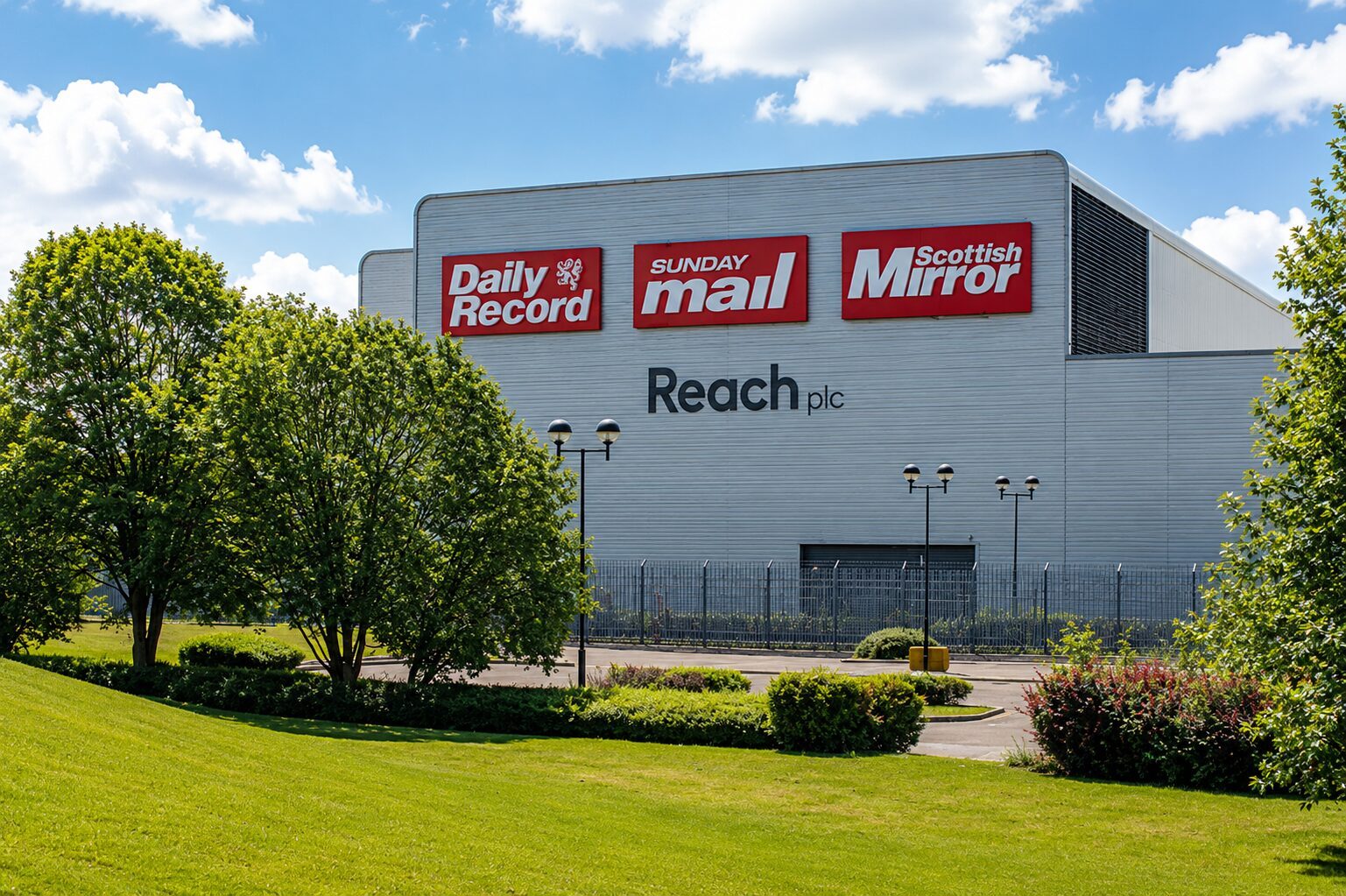
  • Digital signage infrastructure optimisation across UK and North America

    Digital signage infrastructure optimisation across UK and North America

    Multi-Site

    Multi-site corporate client (anonymised) | UK and North America

    UK and North America | Multi-Site | Workplace Technology, Connectivity & Cyber, Managed Infrastructure

    CHALLENGE

    The operating problem

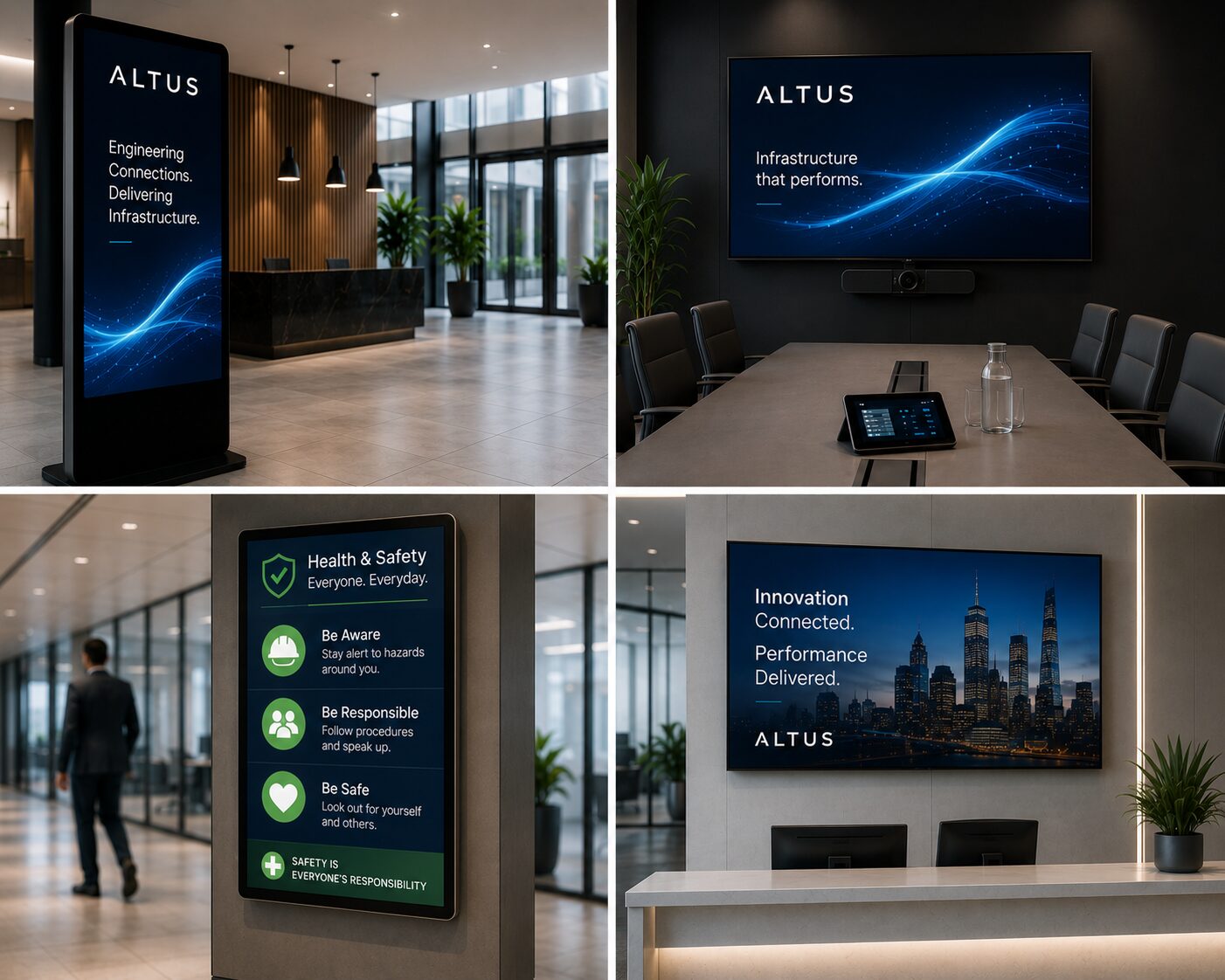
    Altus was appointed to review, optimise and standardise a large-scale digital signage and AV distribution environment operating across corporate locations in the UK and North America. The client required a more commercially efficient infrastructure capable of supporting a growing estate of centrally managed digital signage endpoints without compromising security, scalability or operational performance.

    The existing environment relied on expensive secure cloud hosting services and high-cost AVoIP distribution infrastructure, creating significant operational expenditure as the estate expanded. The client needed to reduce infrastructure costs while maintaining enterprise-grade reliability, security and centralised management capability across multiple international locations.

    Infrastructure cost

    • High recurring cloud hosting expenditure
    • Expensive AVoIP distribution hardware
    • Increasing operational support costs

    Operational complexity

    • Inconsistent deployment standards
    • Limited scalability for additional locations
    • Complex remote management requirements

    Security and reliability

    • Requirement for secure hosted infrastructure
    • Need for enterprise-grade uptime and resilience
    • Central visibility across all endpoints

    APPROACH

    How Altus delivered

    Altus completed a full infrastructure review and redesign focused on reducing cost, simplifying management and improving scalability across the signage estate.

    Infrastructure optimisation

    • Migration to secure cloud hosting aligned to ISO/IEC 27001 standards
    • Replacement of high-cost AVoIP systems with a more commercially efficient enterprise alternative
    • Standardised deployment architecture across all locations

    Endpoint and platform management

    • 250+ digital signage endpoints under management
    • Centralised content management and remote administration
    • Remote monitoring, diagnostics and lifecycle management

    Network and display infrastructure

    • Commercial display deployment across multiple locations
    • Structured cabling and network integration
    • Secure network segmentation for signage traffic

    OUTCOME

    What changed

    The redesigned environment provided the client with a scalable, centrally managed digital signage platform operating across the UK and North America while significantly reducing infrastructure costs.

    Commercial outcomes

    • AVoIP infrastructure costs reduced by approximately 50%
    • Lower ongoing hosting and support expenditure
    • Improved long-term scalability across new sites

    Operational outcomes

    • Centralised visibility across 250+ endpoints
    • Simplified support and remote management
    • Faster deployment and onboarding of new locations

    Strategic outcomes

    • Improved infrastructure standardisation
    • Reduced supplier and platform complexity
    • Enterprise-grade security and operational resilience maintained

    TECHNOLOGY PARTNERS

    Infrastructure stack

    • Commercial digital displays
    • Enterprise content management and remote administration platform
    • ISO/IEC 27001 aligned secure cloud hosting
    • Enterprise AVoIP distribution (replacement of legacy high-cost platform)
    • Structured cabling and secure network segmentation

    THE NEXT STEP

    Book a Critical Systems Review of your business.

    We will look at where your infrastructure stack stands today, identify the gaps, and tell you straight what needs to change.
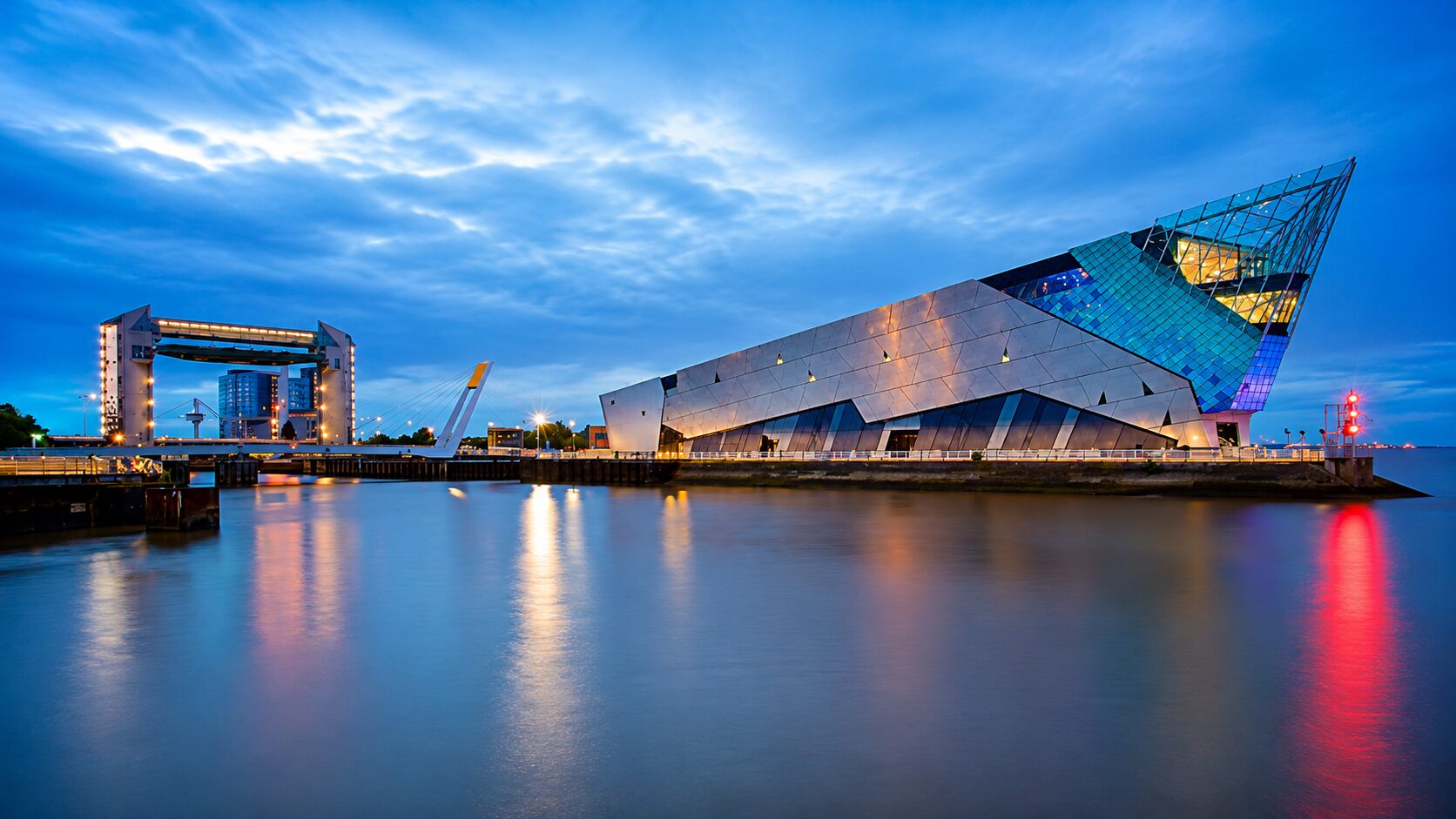
  • Oldham multi-floor workplace deployment

    Oldham multi-floor workplace deployment

    Multi-Site

    Confidential FTSE 100 Media & Publishing Group | Oldham

    Oldham | UK | Multi-Site | Workplace Technology, Connectivity & Cyber

    CHALLENGE

    The operating problem

    Three floors, around 1,200 sqm total, 45-screen AV rollout, reception display, structured cabling, Cisco-grade switching and comms cabinet works.

    The brief required one accountable partner across the infrastructure layer, not another set of isolated suppliers.

    APPROACH

    How Altus delivered

    Altus translated the operating requirement into a coordinated specification across the relevant service pillars.

    The delivery model protected day-to-day operations while giving the client a clearer standard to run after handover.

    OUTCOME

    What changed

    The outcome is a practical proof point for the Altus Critical Systems model: one specification, one accountable team, and one support path.

    TECHNOLOGY PARTNERS

    Infrastructure stack

    Samsung, Cisco, Dante

    THE NEXT STEP

    Book a Critical Systems Review of your business.

    We will look at where your infrastructure stack stands today, identify the gaps, and tell you straight what needs to change.
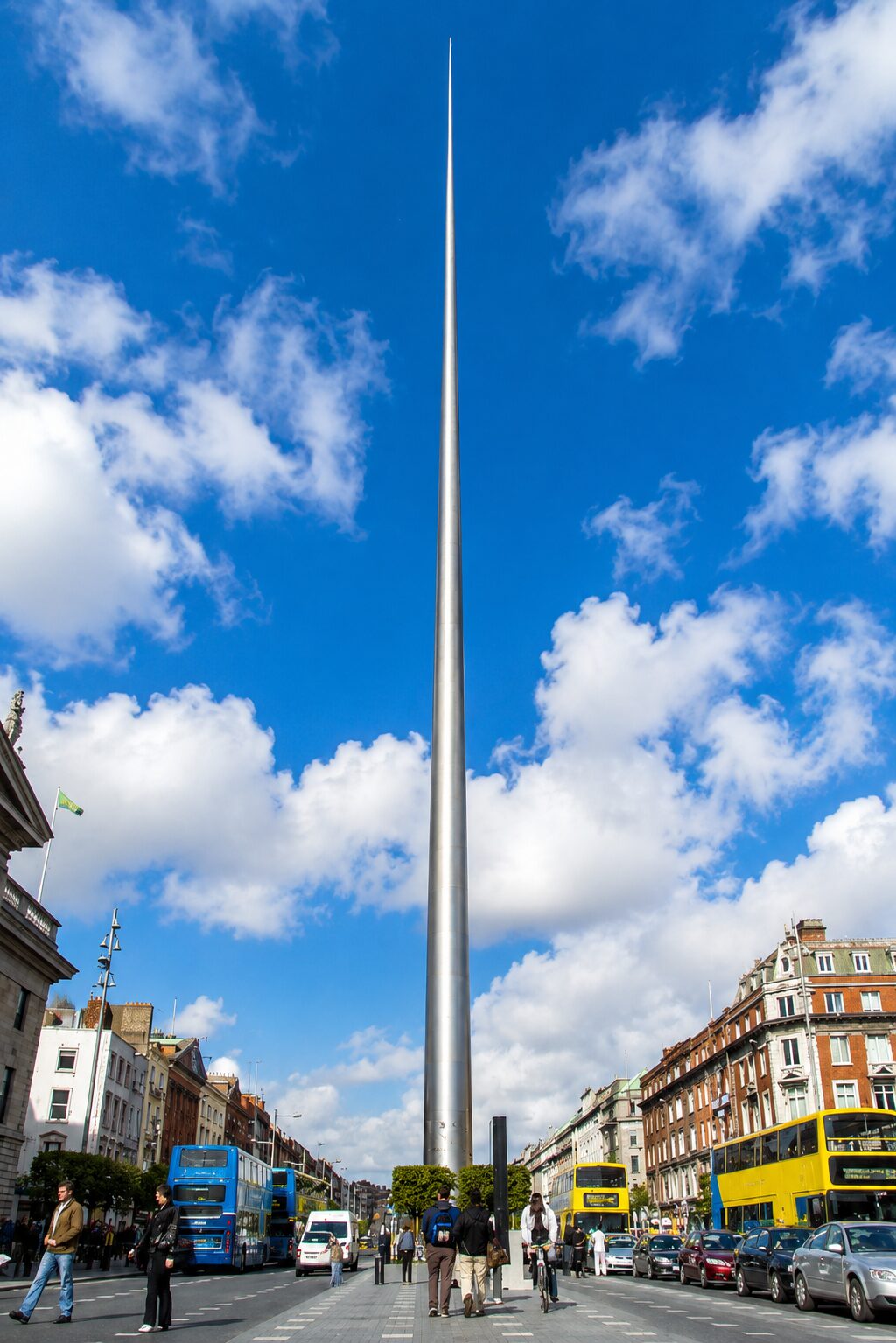
  • Hull Cisco network and structured cabling infrastructure

    Hull Cisco network and structured cabling infrastructure

    Multi-Site

    Confidential FTSE 100 Media & Publishing Group | Hull

    Hull | UK | Multi-Site | Connectivity & Cyber, Workplace Technology

    CHALLENGE

    The operating problem

    Connectivity and cyber-led site deep-dive with enterprise switching, structured underfloor cabling, segmentation and AV-ready network foundations.

    The brief required one accountable partner across the infrastructure layer, not another set of isolated suppliers.

    APPROACH

    How Altus delivered

    Altus translated the operating requirement into a coordinated specification across the relevant service pillars.

    The delivery model protected day-to-day operations while giving the client a clearer standard to run after handover.

    OUTCOME

    What changed

    The outcome is a practical proof point for the Altus Critical Systems model: one specification, one accountable team, and one support path.

    TECHNOLOGY PARTNERS

    Infrastructure stack

    Cisco, Ruckus, Samsung

    THE NEXT STEP

    Book a Critical Systems Review of your business.

    We will look at where your infrastructure stack stands today, identify the gaps, and tell you straight what needs to change.

  • Dublin meeting room automation

    Dublin meeting room automation

    Multi-Site

    Confidential FTSE 100 Media & Publishing Group | Dublin, Ireland

    Dublin, Ireland | UK | Multi-Site | Workplace Automation, Workplace Technology, Connectivity & Cyber

    CHALLENGE

    The operating problem

    Automation-led version of the Dublin site story: one-touch meeting start, automated display activation, tablet control and integrated camera/audio framing.

    The brief required one accountable partner across the infrastructure layer, not another set of isolated suppliers.

    APPROACH

    How Altus delivered

    Altus translated the operating requirement into a coordinated specification across the relevant service pillars.

    The delivery model protected day-to-day operations while giving the client a clearer standard to run after handover.

    OUTCOME

    What changed

    The outcome is a practical proof point for the Altus Critical Systems model: one specification, one accountable team, and one support path.

    TECHNOLOGY PARTNERS

    Infrastructure stack

    Crestron, Logitech, Google Meet, Cisco

    THE NEXT STEP

    Book a Critical Systems Review of your business.

    We will look at where your infrastructure stack stands today, identify the gaps, and tell you straight what needs to change.

  • Eleven sites, two countries, one infrastructure standard

    Eleven sites, two countries, one infrastructure standard

    National Programme

    Confidential FTSE 100 Media & Publishing Group | United Kingdom and Ireland

    Oldham, Hull, Birmingham, Dublin, Belfast, Plymouth, Newcastle, Cardiff, Bristol, Glasgow and Canary Wharf | Multi-Site | Workplace Technology, Workplace Automation, Connectivity & Cyber

    The United Kingdom at night from orbit, city lights across the country with linked points of light marking a connected national network

    The programme in numbers

    11

    Workplaces brought onto one infrastructure standard.

    2

    Countries, with Dublin delivered to the same specification as the UK sites.

    6

    Standardised components behind every regional office.

    85+

    Screens at Oldham and Glasgow alone, before the other nine sites are counted.

    The problem was not eleven fit-outs. It was eleven different answers.

    A FTSE 100 media and publishing group was investing across its whole UK and Ireland estate at once. Each site had its own building, its own timetable and, left alone, would have had its own contractors and its own way of doing things. That is how estates end up with eleven meeting room designs, eleven cabling standards and eleven different numbers to ring when a room fails.

    The consequences are not cosmetic. Staff who move between offices have to relearn the room. IT carries eleven variants to support. Every new site starts the design conversation from nothing, so cost and programme risk are rebuilt from scratch each time. And when something breaks, accountability sits with whoever happened to install that particular building.

    The group did not need eleven suppliers who were each good at their own site. It needed one specification, held to across the estate, by one partner who could be held to it.

    Design once. Deploy eleven times.

    We set the standard first and rolled it out second. A single specification was agreed up front and then deployed site by site, so the design effort was spent once and reused ten times rather than repeated.

    Across the regional offices that specification reduces to six standardised components:

    • Smart meeting rooms with one touch start.
    • Centrally controlled digital signage.
    • Structured cabling sized for AV over IP from day one.
    • Collaboration and breakout zones.
    • Media ready environments capable of broadcast quality output.
    • Reception signage as the front door of the brand.

    The larger sites extend that base rather than departing from it. Glasgow adds broadcast distribution. Canary Wharf adds acoustic focus and wellness pods. Birmingham adds a video wall built to broadcast level. The underlying network, cabling and control layer is the same everywhere, which is what makes the estate supportable.

    One programme team ran the whole rollout. One commissioning standard signed each site off. One support path covers all eleven. The client has a single accountable partner for the infrastructure layer, not a matrix of eleven relationships.

    The estate

    Every site, and what it took

    SiteWhat we delivered
    OldhamThree floors and around 1,200 sqm. A 45 screen AV rollout, reception display, structured cabling, Cisco grade switching and comms cabinet works.
    GlasgowA broadcast media hub. Large format LED wall with no visible bezels, more than forty screens under coordinated control, an AV over IP low latency backbone, and professional aerial and signal distribution carrying live TV to multiple zones.
    BirminghamA blank commercial space at Brindleyplace taken in 2025 and built out in three stages: site preparation, installation, commissioning. The broadcast level video wall went on to host the Birmingham City Council 2026 election hustings as a live broadcast environment.
    Canary WharfFull structured cabling and AV over IP with centralised rack infrastructure. One touch join rooms, digital signage, acoustic focus pods, wellness pods sited near natural light, and a reception built to Canary Wharf standard.
    HullEnterprise switching, structured underfloor cabling, network segmentation and the AV ready foundations the later rooms depend on.
    DublinMeeting room automation. One touch meeting start, automated display activation, tablet control and integrated camera and audio framing.
    BelfastA communal workplace environment built around shared and collaboration space.
    NewcastleOne of the four regional offices delivered to the same specification, to the same six component standard.
    PlymouthDelivered to the identical regional specification, so a room behaves the same way here as it does in Newcastle.
    BristolDelivered to the identical regional specification, commissioned against the same acceptance tests.
    CardiffDelivered to the identical regional specification, completing the regional four.

    What the group got

    • Eleven workplaces across two countries on one infrastructure standard.
    • A meeting room that behaves identically whether the user is in Cardiff or Dublin, so nobody has to relearn the room when they travel.
    • Cabling and network specified for AV over IP from the start, so the later rooms went in without civils being reopened.
    • Broadcast grade capability proven in public: the Birmingham video wall carried the Birmingham City Council 2026 election hustings as a live broadcast environment.
    • One specification, one commissioning standard and one support path across the whole estate.
    • A repeatable model, so the twelfth site is a deployment rather than a design project.

    “Companies are rethinking the role of the office. It is no longer somewhere you have to be, it is somewhere people choose to be. Technology plays a critical role in making that happen.”

    FTSE 100 Media & Publishing Group · Confidential

    Infrastructure stack

    Crestron, Cisco, Samsung, Logitech, Dante, Extron, Ruckus, Google Meet

    THE NEXT STEP

    Book a Critical Systems Review of your business.

    We will look at where your infrastructure stack stands today, identify the gaps, and tell you straight what needs to change.